When preparing for a trek in Nepal, it is important to familiarize yourself with the concept of altitude sickness, its consequences and most importantly prevention measures.
Acute Mountain Sickness (AMS) is a combination of symptoms which signal that your body is not acclimatized to its current altitude. As you ascend, your body takes time to acclimatize to the decreasing blood oxygen levels. At every moment, there is an "ideal" altitude where your body is in balance and most likely this is the last elevation at which you slept. Ascending above this "ideal" altitude faster than your body can adjust to, usually results in developing AMS symptoms. This condition doesn’t affect most people until 4000m above sea level and higher, however some individuals may feel the effects just above 3000m or even lower.
Mild symptoms like slight headache, loss of appetite, less energy, slight spacey or dizzy feeling or breathlessness on exertion are quite normal and are not a cause for alarm. However if you experience these symptoms it's important to stay at the altitude you're at, instead of ascending any further. Usually after a night's sleep your body would have adjusted and often it’s ok to continue the next morning if you feel better.
Serious symptoms which cannot be ignored and which require an immediate descent to the last altitude where you felt fine are: breathlessness at rest, wheezing or gurgling in lungs, loss of coordination, severe nausea and lethargy, hallucinations. If any trekker shows any of these signs they must be evacuated to a lower, safe altitude immediately.
Our guides are trained to recognise AMS symptoms and know when to act but it is also important to voice any concerns or unwell feelings to your trek leader early so he/she is informed and aware. Predisposition to experience AMS symptoms is primarily related to individual physiology (genetics) and the rate of ascent; there is no significant effect of age, gender, physical fitness, or previous altitude experience. Some people acclimatize quickly, and can ascend rapidly; others acclimatize slowly and have trouble staying well even on a slow ascent. Unfortunately, no way has been found to predict who is likely to get sick at altitude.
The best prevention is sufficient time taken to acclimatise and gradual ascent and all our yoga trek itineraries are designed to fit this description. The dry air of the mountains tends to dehydrate you so an increased fluid intake is necessary and this also helps to prevent AMS. Try to drink at least 3-4 litres of clean water per day. At the teahouses you can also eat hot garlic soup that will help you to some extent as well. Your safety and wellbeing is our number one priority and we ask that you be aware of your body and how you feel and to promptly communicate any problems to your trekking leader.
 Purna Yoga Retreat is a dedicated residential centre for yoga and meditation programs with a heart and soul. Whether you are looking to begin your new yoga adventure, deepen your existing yoga practice or just rest, relax and enjoy this tranquil yogic environment, our centre is the perfect place for you.


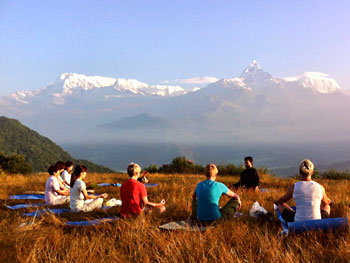
Sarankot is the highest peak of Pokhara Valley and our morning program combines a visit to this famous vantage point with viewing of the sunrise against the backdrop of breath taking mountain panorama, coupled with a short hike...
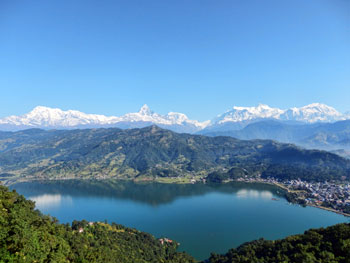
'Sunrise Yoga Tour to Shanti Stupa is a morning yoga program combining a visit to the Peace Pagoda with yoga and meditation, hiking, boating and watching the sunrise on the background of the panorama over Annapurna and....
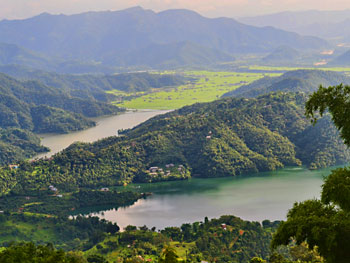
This yoga day hike tour takes us off the beaten path through a very rural trail with hardly any tourists, to the top of Sundari Danda hill, where we can see a stunning vista - panorama of Begnas Lake and Rupa Lake divided by...
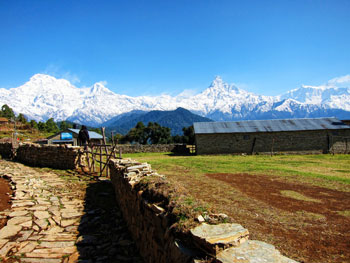
One day yoga hike to Australian Camp offers a great panorama of the whole Annapurna mountain range combined with refreshing outdoor yoga and a glimpse of local culture in the traditional village of Dhampus...